 IANTD, TDI, PSAI, DSAT, Tec Rec
Chipola Divers now offers several technical and decompression diving courses and mentorships. These courses are available in the Marianna area and Peacock Springs State Park.
Remember, we not only teach these courses, we do the dives. Take your technical courses from an instructor who does more personal dives than instructional dives.
Combination Courses
PADI TecRec Discover Tec
This is an introduction course into the technical diving world. Learn some basic technical diving skills and get to try out technical diving equipment. Course credits toward the Tec 40 course.
Required Equipment
PADI Tec 40 Diver manual
Single cylinder (80 cubic feet or larger) with a dual outlet valve (H or Y valve) or dual cylinders (back mount or side mount)
Two primary regulators.
A primary BCD. A backup BCD (dual bladder) is required if the student cannot maintain buoyancy in the event of a bladder failure. A dry suit may serve as the backup BCD.
Dive tables
Depth gauge
Dive timer or a dive computer
Cutting device
Basic diving equipment.
If you do not have some of this equipment, contact us. We have a large personal stock of many of these items, especially reels, spools, and lift bags, that can be used during the course.
Coursework
We will spend 1 day working on several skills. We start out in confined open water to get oriented with the gear configuration. We then move into open water to do 2 dives. During the open water dives we will continue to work on skills.
Remember, we not only teach this course, we do the dives regularly.
PADI TecRec Tec 40
You will learn how to use decompression software and dive computers to plan and make decompression dives with no more than 10 minutes of total decompression and not deeper than 40 metres/130 feet. You will use a single or dual cylinders of decompression gas with up to 50% oxygen (EANx50) to add conservatism to the required decompression.
Required Equipment
PADI Tec 40 Diver manual
Single cylinder (80 cubic feet or larger) with a dual outlet valve (H or Y valve) or dual cylinders (back mount or side mount)
Two primary regulators.
One decompression cylinder
A primary BCD. A backup BCD (dual bladder) is required if the student cannot maintain buoyancy in the event of a bladder failure. A dry suit may serve as the backup BCD.
Dive tables
Depth gauge
Dive timer or a dive computer
Cutting device
Basic diving equipment.
If you do not have some of this equipment, contact us. We have a large personal stock of many of these items, especially reels, spools, and lift bags, that can be used during the course.
Coursework
We will spend 2 days working on several skills. We start out in confined open water to get oriented with the gear configuration. We then move into open water to do 4 dives. During the open water dives we will continue to work on skills. There is also a final exam that must be completed prior to the end of the course.
Remember, we not only teach this course, we do the dives regularly.
TDI Introduction to Tech Diving
This is a course that introduces divers to the world of technical diving. This is designed as an introductory course to the Advanced Nitrox and Decompression Procedures/Specialist courses. Students will become familiar with technical gear configurations, enhance open water diving skills (buoyancy, trim, and situational awareness), and be introduced to advanced gas planning techniques with a no-decompression context. This is a great course for anyone who is interested in improving their diving skills and learning more about advanced dive planning and execution. This course is not a prerequisite for Advanced Nitrox or Cavern, but will make both of those courses much easier and allow us to concentrate on the execution part of the dives.
Required Equipment
TDI Introduction to Technical Diving manual
Single cylinder (80 cubic feet or larger) with a dual outlet valve (H or Y valve) or dual cylinders (back mount or side mount)
Two primary regulators.
One decompression cylinder
A primary BCD. A backup BCD (dual bladder) is required if the student cannot maintain buoyancy in the event of a bladder failure. A dry suit may serve as the backup BCD.
Dive tables
Depth gauge
Dive timer or a dive computer
Cutting device
Basic diving equipment.
If you do not have some of this equipment, contact us. We have a large personal stock of many of these items, especially reels, spools, and lift bags, that can be used during the course.
Coursework
We will spend 2 days working on several skills. We start out in confined open water to get oriented with the gear configuration. We then move into open water to do 4 dives. During the open water dives we will continue to work on skills. There is also a final exam that must be completed prior to the end of the course.
Remember, we not only teach this course, we do the dives regularly.
PSAI Twinset Diver
1. This Program is designed to familiarize the diver with the techniques, equipment and mindset required for diving in backmounted double cylinders.
2. It also enables divers to proficiently assemble and use backmount equipment.
3. The Program also teaches divers the proper techniques to safely conduct dives that warrant the use of backmount equipment.
Required Equipment
PSAI Twinset Diver manual
Double cylinders (63 cubic feet or larger)
Two primary regulators.
A primary BCD. A backup BCD (dual bladder) is required if the student cannot maintain buoyancy in the event of a bladder failure. A dry suit may serve as the backup BCD.
Dive tables
Depth gauge
Dive timer or a dive computer
Cutting device
Basic diving equipment.
If you do not have some of this equipment, contact us. We have a large personal stock of many of these items, especially reels, spools, and lift bags, that can be used during the course.
Coursework
We will spend 2 days working on several skills. We start out in confined open water to get oriented with the gear configuration. We then move into open water to do 4 dives with a minimum of 120 minutes of bottom time total. During the open water dives we will continue to work on skills. There is also a final exam that must be completed prior to the end of the course.
Remember, we not only teach this course, we do the dives regularly.
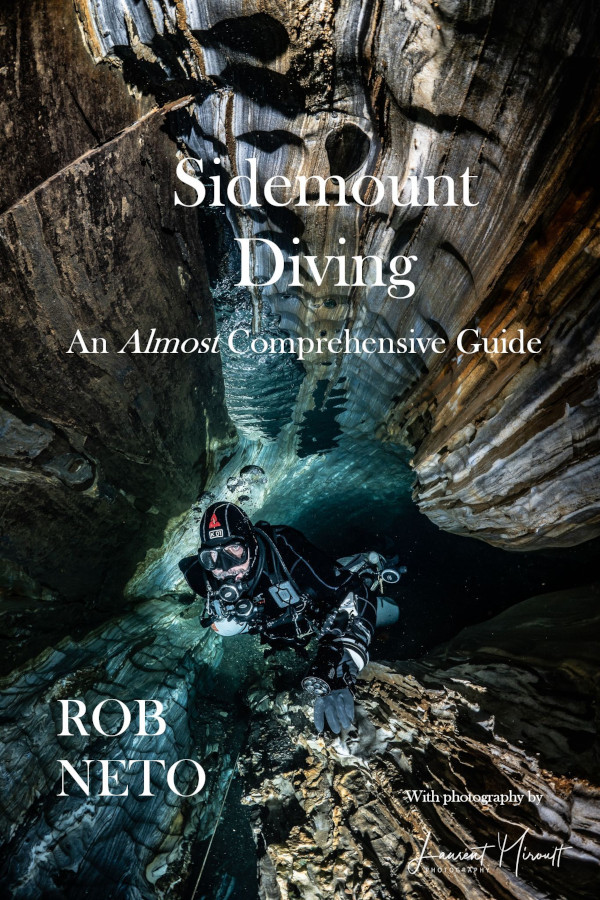
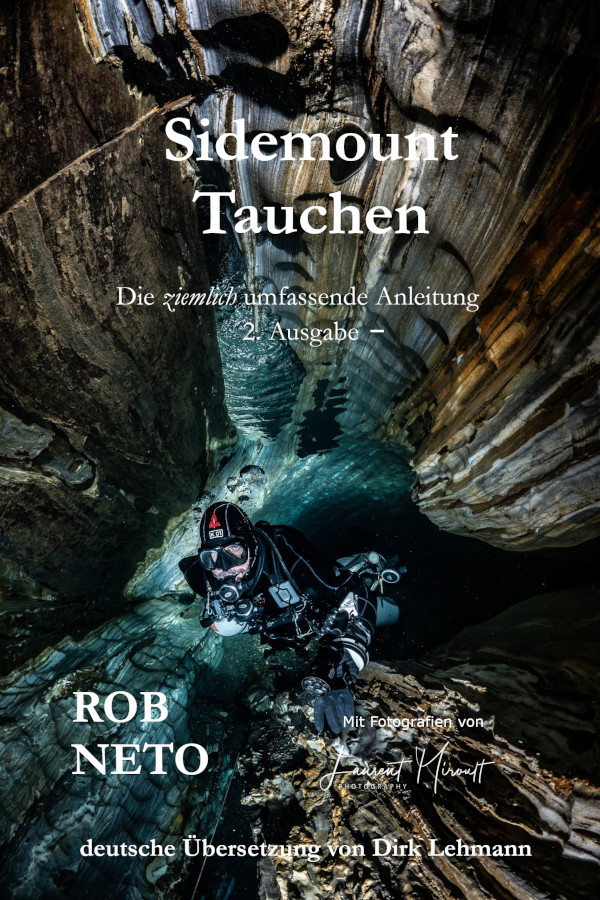
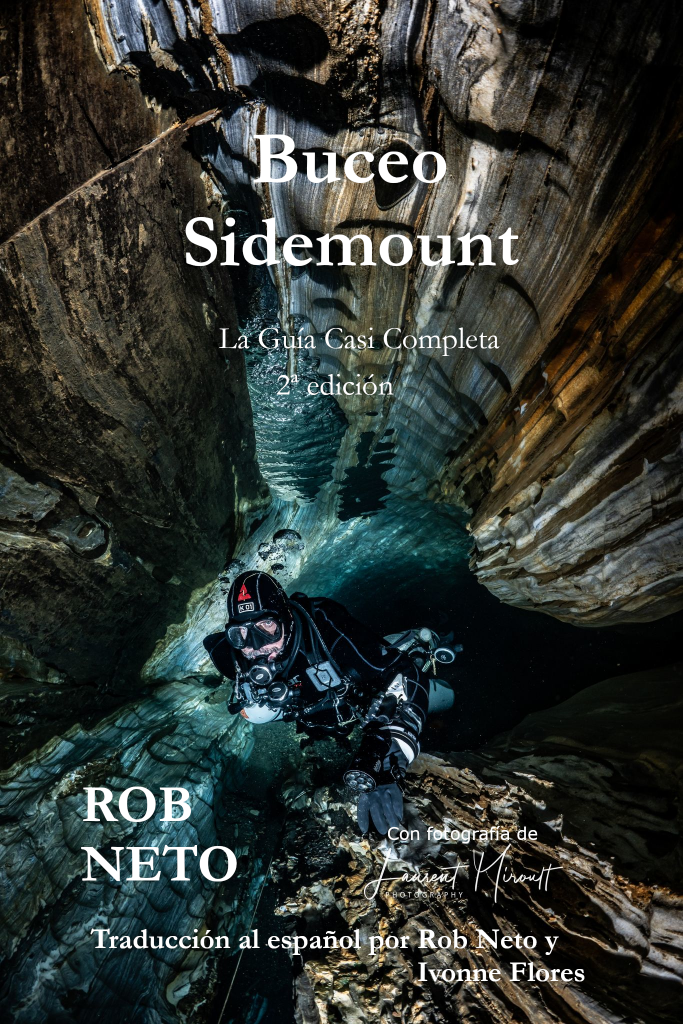
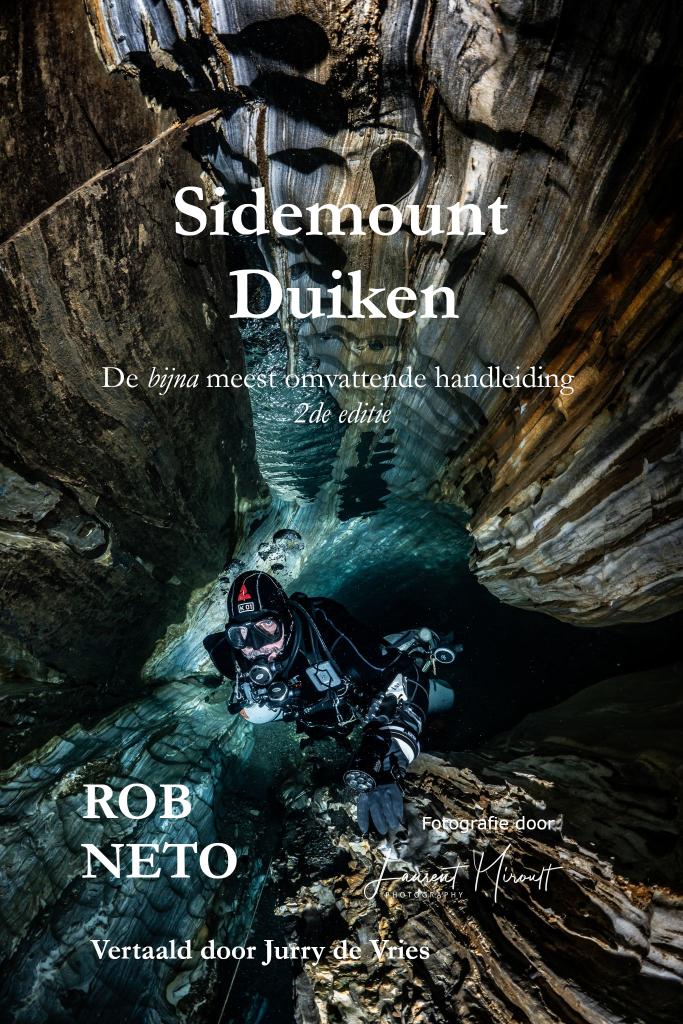
IANTD Side Mount Diver
1. This Program is designed to familiarize the diver with the techniques, equipment and mindset required for Side Mount diving.
2. It also enables divers to proficiently assemble and use Side Mount equipment.
3. The Program also teaches divers the proper techniques to safely conduct dives that warrant the use of Side Mount equipment.
Required Equipment
IANTD Side Mount/No Mount Diver Student Kit
Two single cylinders (40 cubic feet or larger)
Two primary regulators, each with its own dedicated submersible pressure gauge.
A primary BCD. A backup BCD (dual bladder) is required if the student cannot maintain buoyancy in the event of a bladder failure. A dry suit may serve as the backup BCD.
Dive tables
Depth gauge
Dive timer or a dive computer
Cutting device
Basic diving equipment.
If you do not have some of this equipment, contact us. We have a large personal stock of many of these items, especially reels, spools, and lift bags, that can be used during the course.
Coursework
We will spend 2 days working on several skills. We start out in confined open water to get oriented with the gear configuration. We then move into open water to do 4 dives with a minimum of 120 minutes of bottom time total. During the open water dives we will continue to work on skills. There is also a final exam that must be completed prior to the end of the course.
Remember, we not only teach this course, we do the dives regularly.
* Divers already qualified to dive in the overhead environment may complete this course in the overhead, however, this course is not designed to teach side mount restriction access. All dives will take place in passages large enough to move through without bottle removal.
SDI Solo Diver
1. The objective of this course is to train divers in the benefits, hazards, and proper procedures for diving solo..
Required Equipment
1. All bottom mix tanks will be equipped with dual outlet valves or small set of doubles may be used. Side mounted cylinders may also be used. *** A single valve tank with a separate pony tank is also possible. (All independent breathable gas sources must feature a pressure gauge.)
4. Two primary regulators with submersible pressure gauges. The Configuration must make it clear and logical so no misinterpretation between submersible pressure gauges will be possible.
5. Three (3) dive lights.
6. All equipment should be streamlined and always accessible by the diver.
7. A lift bag of at least 50-lb. (22.5-kg) lift capacity and a line reel for deployment.
8. A backup line reel.
9. A backup cutting tool is recommended.
10. If the diver is qualified as an OW Sidemount Diver, they may use side-mounted cylinders for additional gas supply safety.
11. Decompression tables and accurate depth gauge, plus bottom timer device or a dive computer is required.
12. A backup dive computer or bottom timer/depth gauge is obligatory.
13. A primary BCD.
If you do not have some of this equipment, contact us. We have a large personal stock of many of these items, especially reels, spools, and lift bags, that can be used during the course.
Coursework
We will spend 1 day working on several skills. We start out in confined open water doing swim tests, air sharing, valve shutdowns, and other skills. We then move into open water to do 2 dives. During the open water dives we will continue to work on skills.
IANTD Self-Sufficient Diver
1. This Program has been designed to provide qualified divers with "self-supported - self-sufficient" training.
Required Equipment
1. The equipment configuration must be "self-sufficient - self-supported".
2. A sufficient quantity of gas will be carried by the diver to allow completion of the no-stop dive time requirements incorporating the correct gas management rule for this course, which is the 1/4 rule.
All bottom mix tanks will be equipped with dual outlet valves or small set of doubles may be used. Side mounted cylinders may also be used. *** A single valve tank with a separate pony tank is also possible. (All independent breathable gas sources must feature a pressure gauge.)
4. Two primary regulators with submersible pressure gauges. The Configuration must make it clear and logical so no misinterpretation between submersible pressure gauges will be possible.
5. Three (3) dive lights.
6. All equipment should be streamlined and always accessible by the diver.
7. A lift bag of at least 50-lb. (22.5-kg) lift capacity and a line reel for deployment.
8. A backup line reel.
9. A backup cutting tool is recommended.
10. If the diver is qualified as an OW Sidemount Diver, they may use side-mounted cylinders for additional gas supply safety.
11. Decompression tables and accurate depth gauge, plus bottom timer device or a dive computer is required.
12. A backup dive computer or bottom timer/depth gauge is obligatory.
13. A primary BCD.
If you do not have some of this equipment, contact us. We have a large personal stock of many of these items, especially reels, spools, and lift bags, that can be used during the course.
Coursework
We will spend 2 days working on several skills. We start out in confined open water doing swim tests, air sharing, valve shutdowns, and other skills. We then move into open water to do 4 dives with a minimum of 90 minutes of bottom time total. During the open water dives we will continue to work on skills.
IANTD Deep Diver
1. This Program is designed to provide responsible training to divers who plan to dive to a maximum of 130 fsw (39 MSW) on air.
2. The IANTD Deep Diver Program trains divers in skills, performance, theory and planning of deep dives. This Program remains within the commonly practiced depth of 130 fsw (39 msw), and is the first sanctioned international Program to provide proper training in safe deep diving skills and performance.
3. This Program qualifies divers to dive to 130 fsw (39 msw).
Required Equipment
IANTD Deep Diver student kit
95cf cylinder minimum (H-valve mandatory), doubles or side mounted cylinders highly recommended ***
Single hose regulator, alternate air source (no LP/octo combos), and an SPG
Wet or dry suit
BCD with power inflator
Submersible dive tables or computer
Bottom timer and depth gauge (if no computer)
Cutting tool (2 recommended)
Underwater slate and pencil
Weight belt, if needed
Safety reel/spool, 2 minimum per diver
Primary reel, 1 minimum per team (you may wait to purchase this until after using the reels we have available)
Lift bag
DAN or equivalent dive insurance
If you do not have some of this equipment, contact us. We have a large personal stock of many of these items, especially reels, spools, and lift bags, that can be used during the course.
Coursework
We will spend 2 days working on several skills. We start out in confined open water doing swim tests, air sharing, valve shutdowns, and other skills. We then move into open water to do 4 dives with a minimum of 100 minutes of bottom time total. Two of these dives will be to depths between 100 and 130 feet of depth. During the open water dives we will continue to work on skills. There is also a final exam that must be completed prior to the end of the course.
IANTD, PSAI, & TDI Advanced Nitrox
1. This course examines the use of EAN-21 through 100 percent oxygen for optimal mixes to a depth of forty meters/130 feet. The objective of this course is to train divers in the benefits, hazards, and proper procedures for utilizing EAN-21 through 100 percent oxygen for dives not requiring staged decompression. Decompression techniques may be combined with this course.
2. This course qualifies divers to use up to 100 percent oxygen in dives to depths of 130 feet.
Required Equipment
Agency specific Advanced Nitrox manual
Mask (low volume preferred)
Paddle fins with spring straps or taped fin straps
95cf cylinder minimum (H-valve mandatory), doubles or side mounted cylinders highly recommended ***
Cylinder rigged as a stage or decompression bottle
Single hose regulator with 7' hose length, alternate air source (no LP/octo combos), and an SPG
Wet or dry suit
BCD with power inflator (back plate and wing or harness recommended)
Submersible dive tables or computer
Bottom timer and depth gauge (if no computer)
Cutting tool (2 recommended)
Underwater slate and pencil
Weight belt, if needed
Safety reel/spool, 2 minimum per diver
Primary reel, 1 minimum per team (you may wait to purchase this until after using the reels we have available)
Lift bag
DAN or equivalent dive insurance
If you do not have some of this equipment, contact us. We have a large personal stock of many of these items, especially reels, spools, and lift bags, that can be used during the course.
Coursework
We will spend 2 days working on several skills. We start out in confined open water doing swim tests, air sharing, valve shutdowns, and other skills. We then move into open water to do 4 dives with a minimum of 120 minutes of bottom time total. Two of these dives will be to depths between 100 and 140 feet of depth. During the open water dives we will continue to work on skills. There is also a final exam that must be completed prior to the end of the course.
Our course is designed for the intro cave diver level or above, but we can do all of the dives in open water. This course may be conducted at Peacock Springs State Park. Conducting this course in open water will require significant travel from the panhandle and will affect the course price. Call for details.
It is recommended this course be taken in conjunction with the Decompression Specialist course and the Deep Diver Course to get the maximum benefit of all courses.
IANTD, PSAI, & TDI Decompression Procedures/Specialist
1. This course examines the theory, methods, and procedures of planned staged decompression diving. The objective of this course is to train divers how to plan and conduct a standard staged decompression dive not exceeding a max depth of 45 meters/150 feet.
2. This course is best taken in conjunction with Advanced Nitrox or Advanced Recreational Trimix.
Prerequisite: Must be a qualified Advanced Nitrox Diver or equivalent.
Required Equipment
Agency apecific student manual
Mask (low volume preferred)
Paddle fins with spring straps or taped fin straps
95cf cylinder minimum (H-valve mandatory), doubles or side mounted cylinders highly recommended ***
Cylinder rigged as a stage or decompression bottle
Single hose regulator with 7' hose length, alternate air source (no LP/octo combos), and an SPG
Wet or dry suit
BCD with power inflator (back plate and wing or harness recommended)
Submersible dive tables or computer
Bottom timer and depth gauge (if no computer)
Cutting tool (2 recommended)
Underwater slate and pencil
Weight belt, if needed
Safety reel/spool, 2 minimum per diver
Primary reel, 1 minimum per team (you may wait to purchase this until after using the reels we have available)
Lift bag
DAN or equivalent dive insurance
If you do not have some of this equipment, contact us. We have a large personal stock of many of these items, especially reels, spools, and lift bags, that can be used during the course.
Coursework
We spend most of the day in the classroom reviewing decompression theory, tables, and various decompression software and computers. We will plan several dives based on different tables and software and compare the schedules to see how they vary from each other. We will then put what we learn into practice during an actual dive.
It is recommended this course be taken in conjunction with the Advanced Nitrox course and the Deep Diver Course to get the maximum benefit of both courses.
IANTD Advanced Recreational Trimix
1. This Program is designed to extend the diver’s knowledge in the use of EANx for Sport diving. It further develops diving skills and provides a greater understanding of the EANx concept of diving. It is also intended to supplement the skills of Recreational Trimix Divers.
2. The Program employs EANx mixes from 21% oxygen to a maximum of 1.5 PO2 combined with a Helium content that maintains an END no greater than 80 fsw (24 msw) may be used.
3. This program qualifies divers to dive to 160 fsw (48 msw) and perform decompression stops required dives up to 15 minutes.
Prerequisite: Must be a qualified Nitrox Diver and Deep Diver or equivalent.
Required Equipment
IANTD Tek Lite student manual
Mask (low volume preferred)
Paddle fins with spring straps or taped fin straps
95cf cylinder minimum (H-valve mandatory), doubles or side mount cylinders highly recommended ***
Cylinder rigged as a stage or decompression bottle
Single hose regulator with 7' hose length, alternate air source (no LP/octo combos), and an SPG
Wet or dry suit
BCD with power inflator (back plate and wing or harness recommended)
Submersible dive tables or computer
Bottom timer and depth gauge (if no computer)
Cutting tool (2 recommended)
Underwater slate and pencil
Weight belt, if needed
Safety reel/spool, 2 minimum per diver
Primary reel, 1 minimum per team (you may wait to purchase this until after using the reels we have available)
Lift bag
DAN or equivalent dive insurance
If you do not have some of this equipment, contact us. We have a large personal stock of many of these items, especially reels, spools, and lift bags, that can be used during the course.
Coursework
We will spend 2 days working on several skills. We start out in confined open water doing swim tests, air sharing, valve shutdowns, and other skills. We then move into open water to do 4 dives with a minimum of 120 minutes of bottom time total. Two of these dives will be to depths between 100 and 160 feet of depth and using a mix of oxygen, helium, and nitrogen giving us an END of no greater than 80 fsw and a PO2 of no more than 1.3. During the open water dives we will continue to work on skills. There is also a final exam that must be completed prior to the end of the course.
Our course is designed for the intro cave diver level or above, but we can do all of the dives in open water. For cave qualified divers, the course is conducted at sites 1.5-2.5 hours from Marianna, FL. Conducting this course in open water will require significant travel from the panhandle and will affect the course price. Call for details.
IANTD Technical Diver
1. This Program is designed to train those who wish to dive to depths between 130 fsw (39 msw) and 170 fsw (60 msw) using custom blend breathing gas mixtures, and to provide greater understanding of custom blend breathing gas mixtures, a complete knowledge of the limits of any EANx mixture, and the use of EANx and oxygen for decompression.
2. The knowledge and skills taught in this program are more than adequate to qualify divers to perform dives outside of training up to 180 fsw (54 msw).
Prerequisite: Must be a qualified Advanced Nitrox Diver or Advanced Recreational Trimix Diver or equivalent.
Required Equipment
IANTD Technical Diver Student Kit
Mask (low volume preferred)
Paddle fins with spring straps or taped fin straps
Doubles or side mount cylinders mandatory
Cylinder rigged as a stage or decompression bottle
Single hose regulator with 7' hose length, alternate air source (no LP/octo combos), and an SPG
Wet or dry suit
BCD with power inflator (back plate and wing or harness recommended)
Submersible dive tables or computer
Bottom timer and depth gauge (if no computer)
Cutting tool (2 recommended)
Underwater slate and pencil
Weight belt, if needed
Safety reel/spool, 2 minimum per diver
Primary reel, 1 minimum per team (you may wait to purchase this until after using the reels we have available)
Lift bag
DAN or equivalent dive insurance
If you do not have some of this equipment, contact us. We have a large personal stock of many of these items, especially reels, spools, and lift bags, that can be used during the course.
Coursework
We will spend 2 days working on several skills. We start out in confined open water doing swim tests, air sharing, valve shutdowns, and other skills. We then move into open water to do 4 dives with a minimum of 220 minutes of bottom time total. Two of these dives will be to depths greater than 130 feet of depth. During the open water dives we will continue to work on skills. There is also a final exam that must be completed prior to the end of the course.
Our course is designed for the cave diver level or above, but we can do all of the dives in open water. For cave qualified divers, the course is conducted at sites 1.5-2.5 hours from Marianna, FL. Call for details.
IANTD Normoxic Trimix
1. This Program is designed to train those who wish to dive to depths between 130 fsw (39 msw) and 200 fsw (60 msw), but who do not wish to breathe air below 130 fsw (39 msw). Trimix affords a means of reducing narcosis on dives to such depths.
2. The knowledge and skills taught in this program are more than adequate to qualify divers to perform Trimix Dives outside of training up to 200 fsw (60 msw).
Prerequisite: Must be a qualified Advanced Nitrox Diver or Advanced Recreational Trimix Diver or equivalent.
Required Equipment
IANTD Normoxic Diver Student Kit
Mask (low volume preferred)
Paddle fins with spring straps or taped fin straps
Doubles or side mount cylinders mandatory
Cylinder rigged as a stage or decompression bottle
Single hose regulator with 7' hose length, alternate air source (no LP/octo combos), and an SPG
Wet or dry suit
BCD with power inflator (back plate and wing or harness recommended)
Submersible dive tables or computer
Bottom timer and depth gauge (if no computer)
Cutting tool (2 recommended)
Underwater slate and pencil
Weight belt, if needed
Safety reel/spool, 2 minimum per diver
Primary reel, 1 minimum per team (you may wait to purchase this until after using the reels we have available)
Lift bag
DAN or equivalent dive insurance
If you do not have some of this equipment, contact us. We have a large personal stock of many of these items, especially reels, spools, and lift bags, that can be used during the course.
Coursework
We will spend 3 days working on several skills. We start out in confined open water doing swim tests, air sharing, valve shutdowns, and other skills. We then move into open water to do 4 dives with a minimum of 300 minutes of bottom time total. Three of these dives will be to depths greater than 130 feet of depth and using a mix of oxygen, helium, and nitrogen giving us an END of no greater than 120 fsw and a PO2 of no more than 1.4 and the final dive will be to a depth between 180 and 200 feet. During the open water dives we will continue to work on skills. There is also a final exam that must be completed prior to the end of the course.
Our course is designed for the cave diver level or above, but we can do all of the dives in open water. For cave qualified divers, the course is conducted at sites 1.5-2.5 hours from Marianna, FL. Call for details.
IANTD, PSAI, & TDI Advanced Nitrox & Decompression Procedures/Specialist combination course
Three day course, four dive course. See individual courses above for details.
IANTD, PSAI, & TDI Advanced Nitrox, Decompression Procedures/Specialist, & Deep Diver combination course
Five day course, eight dive course. See individual courses above for details.
IANTD, PSAI, & TDI Advanced Recreational Trimix & Decompression Procedures/Specialist combination course
Three day course, four dive course. See individual courses above for details.
IANTD, PSAI, & TDI Advanced Recreational Trimix, Decompression Procedures/Specialist, & Deep Diver combination course
Five day course, eight dive course. See individual courses above for details.
*** Conduct any of these courses in backmounted doubles or side mount configuration if you have sufficient experience in either rig or add a day at the beginning of the course to complete the twinset diver or side mount diver course.
|